
How Gamified Exercise Routines Blend With Online Games
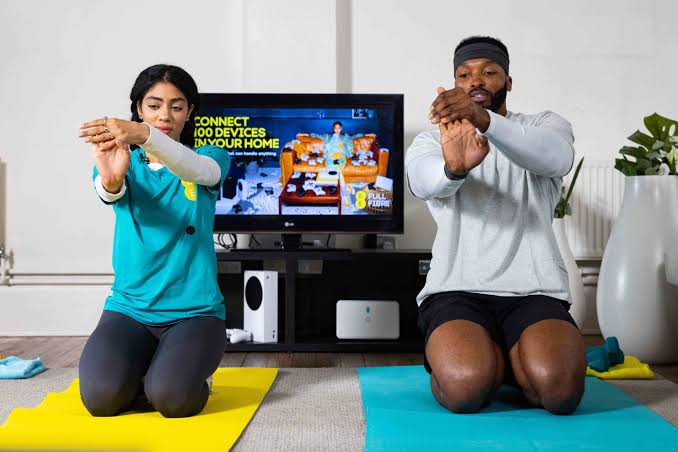
Introduction: The Rise of Interactive Fitness
In recent years, the boundaries between physical fitness and digital entertainment have started to blur. Traditional exercise routines are no longer limited to gyms, outdoor sports, or home workouts. Instead, they are increasingly being integrated with gaming systems and online platforms to create engaging, interactive experiences . This combination, often called gamified exercise or “exergaming,” transforms physical movement into part of a game-like system where users can score points, complete challenges, and compete with others while staying active.
The main appeal of this approach lies in motivation. Many people struggle with consistency in exercise because traditional routines can feel repetitive or demanding dewa138 . By blending exercise with online games, movement becomes part of a rewarding system that keeps users entertained while improving their health.
What Gamified Exercise Actually Means
Gamified exercise refers to physical activity that incorporates game mechanics such as scoring systems, levels, achievements, rewards, and competition. Instead of simply running on a treadmill or doing push-ups, users might be completing quests, unlocking virtual rewards, or competing in online leaderboards.
This system is commonly seen in fitness apps, motion-based video games, and virtual reality platforms. For example, players might need to squat, jump, or run in place to control an avatar in a game environment. The more effort they put in physically, the better their in-game performance becomes. This direct link between movement and game progress is what makes gamified exercise so effective.
The Connection Between Online Games and Physical Activity
Online games have traditionally been associated with sedentary behavior, where players sit for long periods. However, modern game design has evolved significantly. Developers now understand the importance of movement, immersion, and player health, leading to the creation of hybrid gaming experiences that require physical interaction.
Multiplayer online platforms have also contributed to this shift. Players can now join virtual fitness challenges with friends or global communities. This social aspect adds accountability and motivation. When users know they are competing or collaborating with real people, they are more likely to stay active and engaged.
In addition, wearable devices and motion-tracking technology have made it possible to connect real-world movement directly to online games. Steps, heart rate, and calories burned can all influence gameplay, creating a seamless integration between physical activity and digital interaction.
How Gamification Improves Exercise Motivation
One of the biggest challenges in fitness is maintaining long-term motivation. Gamification solves this problem by introducing reward-based systems that keep users engaged. Instead of focusing only on physical effort, users are encouraged by points, badges, rankings, and unlockable content.
This psychological approach works because the human brain responds strongly to rewards and progress indicators. Even small achievements in a game-like environment can create a sense of accomplishment, encouraging users to continue exercising.
Gamified exercise also reduces the feeling of fatigue. When people are focused on completing a mission or winning a challenge, they are less likely to perceive physical exertion as tiring. This makes workouts feel shorter and more enjoyable, even when they are intense.
Popular Forms of Gamified Exercise
There are several ways gamified exercise is integrated into online gaming environments. One common method is rhythm-based games, where players must move in time with music. These games often require dancing, stepping, or hitting targets in sync with beats.
Another popular form is virtual reality fitness games. In these experiences, users wear VR headsets and physically move in a 3D environment. They might be boxing opponents, dodging obstacles, or exploring virtual worlds that require full-body engagement.
Mobile fitness apps also play a major role. Many apps track daily steps and convert them into in-game currency or progress. Users can level up characters, build virtual cities, or unlock new stages based on their real-world activity levels.
Social Interaction and Community Engagement
A major advantage of blending exercise with online games is the strong social component. Many platforms allow users to join teams, participate in group challenges, or compete on global leaderboards. This creates a sense of community that traditional exercise often lacks.
People are more likely to stay committed when they feel part of a group. Friendly competition encourages users to push their limits, while cooperative challenges promote teamwork and shared goals. This social interaction helps turn fitness into a shared experience rather than a solitary task.
The Role of Technology in This Integration
Advanced technology is the foundation of gamified exercise systems. Motion sensors, artificial intelligence, augmented reality, and virtual reality all contribute to creating realistic and responsive gaming environments.
Wearable devices such as smartwatches and fitness trackers continuously collect data, which is then used to adjust gameplay. Artificial intelligence can personalize workouts based on user performance, ensuring that challenges remain balanced and engaging.
Augmented reality also plays a growing role by blending digital elements into real-world environments. This allows users to turn their surroundings into interactive fitness zones, making exercise more dynamic and immersive.
Health Benefits Beyond Entertainment
While gamified exercise is highly entertaining, it also offers significant health benefits. Regular participation can improve cardiovascular fitness, muscle strength, coordination, and flexibility. It also helps reduce stress and improve mental well-being by combining physical activity with enjoyable gameplay.
Another important benefit is accessibility. People who may not enjoy traditional sports or gym environments can still engage in physical activity through gaming. This makes fitness more inclusive and appealing to a wider audience.
Conclusion: The Future of Fitness and Gaming
The blending of gamified exercise routines with online games represents a major shift in how people approach health and entertainment. By combining movement, technology, and interactive gameplay, this trend transforms exercise into something engaging, social, and rewarding.
As technology continues to evolve, these systems will likely become even more immersive and personalized. The future of fitness may not be limited to gyms or outdoor spaces but could exist entirely within interactive digital worlds where staying active is part of playing the game itself.
