
Keeping Your Commercial Kitchen Safe Every Day
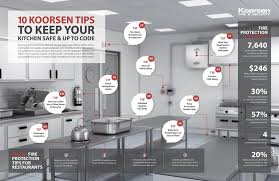
Working in a commercial kitchen is physically demanding. Staff spend long hours on their feet, moving through a fast-paced environment filled with hot equipment, wet floors and sharp tools. Without adequate safety measures, the risk of slips, burns and fatigue-related injuries is significant. Building strong safety foundations from the outset protects your team and your business.
The daily hazards of a commercial kitchen environment
Commercial kitchens present a combination of hazards that few other workplaces share. Heat and steam, wet and greasy surfaces, heavy lifting and the constant movement of people all create conditions where accidents can occur quickly. The pressure of busy service periods further increases risk, as staff focus on speed rather than taking time to assess their surroundings carefully.
Cooking oils and food scraps are among the most frequent contributors to slipping incidents in kitchen settings. These substances reduce traction dramatically and are often invisible until someone has already lost their footing. Addressing floor safety through appropriate matting and regular cleaning protocols reduces the likelihood of these incidents occurring during the most demanding parts of the day.
Purpose-built floor protection is one of the most reliable tools for managing kitchen safety. A quality kitchen safety mat is engineered for the demands of food service environments, providing traction and drainage where it is needed most. Choosing the right mat for your specific layout ensures consistent protection across every area where staff are regularly working.
Reducing fatigue for kitchen workers
Extended periods of standing on hard flooring contribute directly to fatigue, joint discomfort and reduced concentration. These effects accumulate throughout a shift and can impair the judgement and coordination of even experienced kitchen workers. A fatigued team member is statistically more likely to make mistakes with hot equipment or fail to notice a hazard underfoot.
Anti-fatigue matting addresses this issue by cushioning the impact of prolonged standing and reducing the physical strain placed on feet, knees and lower backs. The difference in how staff feel at the end of a shift can be considerable. Workers who are more comfortable tend to remain more alert and make fewer errors during the later hours of their roster.
Ergonomic matting should be combined with sensible rostering practices to manage fatigue effectively. Scheduling adequate breaks, avoiding excessive consecutive hours and rotating physically demanding tasks between staff members all reduce cumulative strain. When physical workplace improvements and thoughtful scheduling work together, the overall burden on kitchen workers is meaningfully reduced.
Hygiene standards and mat maintenance
Safety mats in commercial kitchens must be cleaned regularly to remain both effective and hygienic. Grease, food particles and moisture accumulate beneath and within mat surfaces over time, creating conditions that can harbour bacteria and compromise the integrity of the mat itself. A consistent cleaning schedule prevents these issues from developing into serious hygiene or safety concerns.
Most commercial kitchen mats are designed for easy removal and cleaning, which makes the maintenance process manageable within a normal kitchen routine. Mats should be inspected regularly for signs of wear, curling edges or deterioration that could introduce new tripping hazards. Replacing worn mats promptly maintains the standard of floor safety rather than allowing it to erode gradually.
Staff training on correct mat handling and cleaning is an important part of any kitchen safety program. When every team member understands the maintenance requirements, responsibility is distributed across the kitchen rather than relying on a single person. Posting clear guidelines in relevant areas of the kitchen ensures that correct procedures are followed consistently during every shift.
Security and broader safety for your premises
Kitchen safety is one part of a broader responsibility to maintain a safe and secure business environment. Protecting the premises outside of trading hours is equally important, particularly for businesses that store valuable equipment or food inventory overnight. A comprehensive approach to business safety considers both the risks during service and those that exist when the kitchen is closed.
Alarm monitoring and security systems play an important role in protecting commercial premises during off-hours. Engaging specialists who understand the needs of business owners is the best starting point. Great White Security offers professional security services designed to protect commercial properties and give owners confidence that their business is well looked after outside of trading hours.
Fire safety deserves particular attention in commercial kitchens, where cooking equipment and hot oils create a higher risk than in most other workplaces. Fire suppression systems, correctly placed extinguishers and clearly marked evacuation routes should all be regularly tested and maintained. Staff should also be trained in emergency procedures so they can respond calmly and quickly when needed.
Building a lasting kitchen safety culture
Physical safety measures are most effective when they are supported by a strong safety culture across the whole team. When managers consistently model safe behaviours and address hazards as soon as they are identified, staff absorb those standards as part of their everyday routine. A workplace where safety is taken seriously becomes one where accidents are far less common.
Regular safety briefings, even short ones conducted at the start of a shift, give staff the opportunity to discuss hazards, ask questions and reinforce key procedures. These conversations keep safety front of mind during busy periods when attention can easily drift toward speed and output. A few minutes of preparation at the start of each day can prevent incidents that would otherwise cost far more time to address.
Commercial kitchens that invest in safety consistently tend to report lower rates of staff injury and absence, reduced insurance costs and improved team morale. The return on investment in quality matting, proper training and a genuine commitment to workplace safety is significant. Treating kitchen safety as a core business priority rather than an afterthought delivers benefits that extend well beyond compliance.
