
What People Actually Learn When They Volunteer
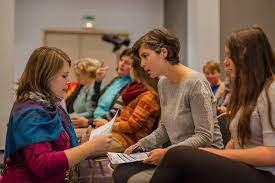
Volunteering looks simple from the outside. You give your time, help out, feel good, and go home. But anyone who’s done it knows that something much bigger is going on. Volunteering teaches lessons you don’t see on the sign-up page, and let’s face it, many of them stick with you for life.
Below are the real things people learn when they volunteer, beyond the obvious good deeds. Read on to find out what those things really are.
You learn how little you actually need
One of the first quiet lessons of volunteering is realizing how much of daily life is optional. When you spend time helping others, especially in community kitchens, shelters, schools, or local projects, you notice how people make do with less and still laugh, connect, and care.
This doesn’t make you feel guilty; on the contrary, it makes you clearer. You start questioning habits you once thought were “normal.” The constant rush. The need to buy more. The idea that comfort equals happiness. Volunteering strips life down to the basics and shows how powerful those basics really are.
You learn to listen without fixing
Many people begin volunteering, thinking their role is to solve problems. Then reality steps in. Not every problem wants a solution; some just want to be heard. Hence, volunteering teaches people to actively listen, which means you don’t interrupt, correct, or rush in with advice. You learn to sit with stories, emotions, and silence. When this skill quietly sneaks into the rest of your life, it will make you a better friend, partner, and colleague without you even trying.
You learn how to change within
Volunteering abroad adds another layer to the experience. In remote and underdeveloped countries such as Thailand, the learning curve is steep, but immensely rewarding. Language barriers, cultural differences, and limited resources force you to slow down and observe rather than control. Many people choose programs where they explore and volunteer in exciting Thailand, working with local schools, wildlife projects, or community initiatives. What stays with them isn’t just the place, but rather the shift in perspective. You learn respect for cultures different from your own. You learn patience. And you learn that impact comes from partnership, not savior thinking.
You learn that help is a two-way street
Here’s the surprise no one tells you upfront: volunteers often receive just as much as they give. Sometimes more. A smile from someone who has nothing to offer back. A thank-you that feels deeper than words. A sense of belonging you didn’t know you were missing. Simple as that – what you give is what you get, but you learn how to cherish it on a whole other level. This is because volunteering breaks the idea of “helper” and “helped” and replaces it with shared humanity. You stop seeing people as projects. You see them as equals.
You learn how strong communities really are
From the outside, communities in need can look fragile. From the inside, they’re often incredibly strong. When you volunteer, you see how people support one another in ways that don’t make headlines. Shared meals. Informal childcare. Neighbors care hecking in daily. These systems don’t run on money. They run on trust. Fantastic, right? This changes how you see success in life, teaching you to respect little accomplishments and celebrate all milestones.
You learn to be comfortable with discomfort
Just imagine volunteering abroad in remote Sri Lanka, Tanzania, or Thailand, where there is no running and hot water, no warm meals, and definitely no internet and the comfort that most of us are used to. You will surely learn how to cherish the things you love, right? Hence, volunteering is not always neat or uplifting. Some days will be awkward, some emotionally heavy, while some will leave you tired, smelly, and unsure if you helped at all. And that’s part of the lesson. You will learn to stay present even when things feel messy. You learn that discomfort doesn’t mean failure, but rather growth. Over time, this will make you more self-assured, confident, and respectful in life.
You learn that small actions matter
Volunteering teaches you that change doesn’t always come in big, dramatic moments. Sometimes it’s merely about coming to “work” every week. Sometimes it’s remembering someone’s name. Sometimes it’s doing the same simple task again and again. These small actions add up. They build trust. They create stability. And they remind you that consistency is powerful, even when it feels invisible.
The lesson that sticks
Long after the volunteer shift ends, the lessons will surely remain. No matter where or what you end up volunteering, you will walk more slowly, you will judge less, you will care more, and above all, you understand that the world is complicated, but people, at their core, are not that different.
Volunteering gives you awareness, humility, and a deeper sense of connection. And once you’ve learned that, it’s hard to see the world the same way again.
